

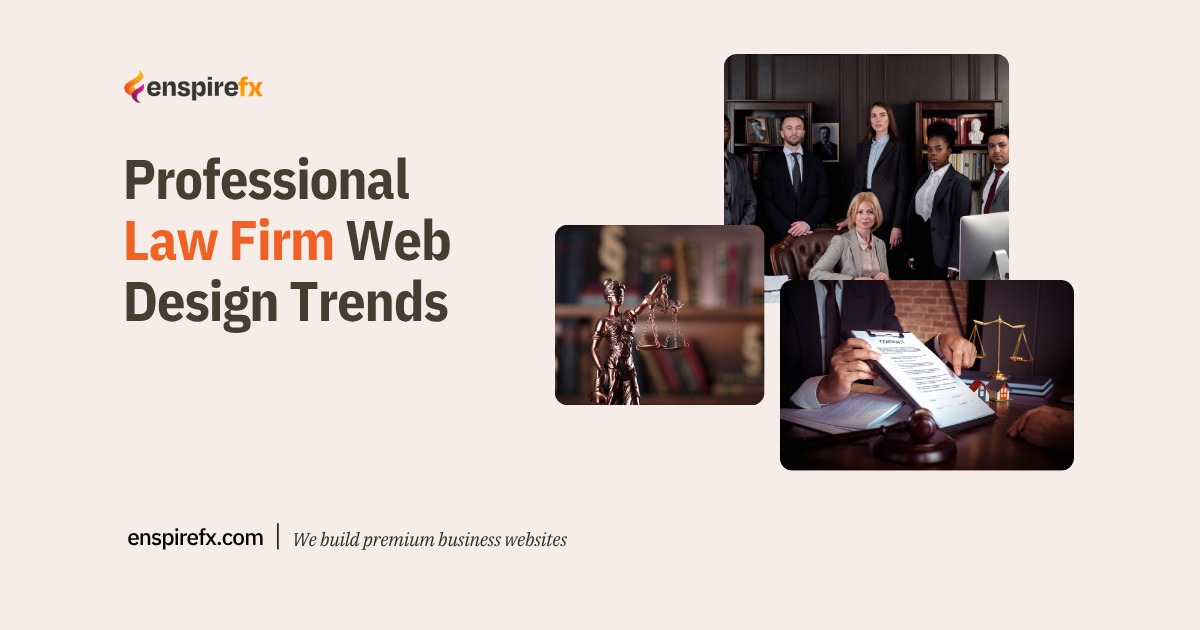
How have law firm websites in 2025 become more than just digital brochures? What features do all top law firm websites have? The legal sector in many countries is defined by immediacy, credibility, and competitive differentiation. A firm’s digital presence must act as a compelling business asset. Core areas such as user experience, visual storytelling, content strategy, trust building, and search engine optimisation have emerged as universal imperatives.
The Law Firm Website as a Strategic Tool
The legal landscape in Ghana and globally continues to grow increasingly competitive. Prospective clients now assess legal service providers through their websites long before initiating contact. A well-designed, modern website does more than reflect the firm’s image. It creates the first layer of trust, establishes authority in specific practice areas, and encourages client engagement. In contrast, outdated designs, poorly structured content, or slow-loading interfaces erode credibility before a client even picks up the phone.
This report discusses the best practices for modern legal practices. A professional law firm web design has the goal to build trust, facilitate clear communication, and drive user action.
Professional Web Design for SMEs
We help businesses and brands scale their customer acquisition and thrive online. Let Ghana’s leading web design agancy develop a premium website for your business today. Click the quote button below to get started;
Design Principles Adapted for Law Firms
1. User Experience and Accessibility
User experience lies at the heart of every successful digital interface. Legal clients often arrive at a firm’s website under time-sensitive, stressful circumstances. A law firm must provide an environment that is calming, accessible, and easy to navigate. Simplified menus and clearly labelled pages help users find practice areas, attorney profiles, and contact information without unnecessary clicks. Mobile responsiveness is no longer optional. With mobile usage continuing to dominate in Ghana, every element must adapt seamlessly across screens. Websites must also load quickly, particularly over limited bandwidth networks. Optimised scripts and compressed images help to reduce friction in the user journey.
Accessibility standards such as WCAG 2.1 should be fully implemented to accommodate all users. The inclusion of alt text, keyboard navigation, and legible fonts ensures that the firm does not inadvertently exclude any user group. More than technical compliance, these features send a message that the firm pays attention to detail and respects every visitor’s need for clarity and access. A prominent and uncluttered call to action, such as “Schedule a Consultation,” should appear strategically throughout the site to guide visitors toward making contact.
2. Visual Identity and Brand Credibility
Visuals establish a law firm’s first impression. High-resolution photographs of attorneys, meeting spaces, and the firm’s office help humanise the brand while reinforcing professionalism. Unlike generic stock imagery, authentic visuals support the firm’s claim to transparency and legitimacy. Clients evaluating legal representation look for signs of stability, competence, and human connection. Real imagery of the team offers that reassurance.
Clean layouts with generous white space elevate the browsing experience. Fonts must be modern and easy to read. A colour palette that reflects professionalism, usually soft neutrals paired with one or two accent colours, contributes to consistency and brand memorability. A well-placed logo and uniform use of typography and button styles help reinforce identity. Short videos introducing the team or simplifying complex legal services add further depth and demonstrate a firm’s adaptability and client engagement.
3. Strategic Content Development
For law firms, content serves not only to inform but to position the firm as a thought leader. Unlike non-profits, which centre narratives around emotional resonance, legal websites must present case-based evidence of problem-solving, expertise, and advocacy. The content must be structured to clearly articulate practice areas, service methodologies, and attorney specialities. Bios should include credentials, years of experience, and areas of focus, with optional inclusion of bar affiliations and certifications.
Blog posts that analyse recent legal developments, answer frequently asked client questions, or provide guidance on Ghana-specific regulations offer value while signalling the firm’s depth of knowledge. Updated legal insights, whether monthly case summaries, changes in regulatory requirements, or firm achievements, serve to keep content fresh and indicate that the firm is active and informed.
Client testimonials and case studies, if used, must comply with ethical advertising standards. These elements reinforce social proof and help mitigate hesitation among potential clients. Unlike emotionally charged donor stories, legal content must stay factual and credible, emphasising results and client outcomes. The language should remain accessible to laypersons without sacrificing professional tone.
4. Building Trust Through Transparency and Credibility
Trust is the currency of legal practice. It cannot be overstated. Law firm websites must display comprehensive contact information, including physical address, phone numbers, email addresses, and ideally, a map or photo of the office location. A clear privacy policy, prominently visible, outlines how client data is handled. Every inquiry form or contact point must be secured via SSL encryption.
Attorney profiles should include professional affiliations, court admissions, and education histories. If the firm displays client feedback or success stories, disclaimers must clarify that results are not guaranteed and that each case is unique. These details establish legal and ethical transparency while simultaneously reinforcing confidence.
Site maintenance is a critical part of credibility. Broken links, outdated team information, or typographical errors may seem minor, but they can severely undermine trust. For legal professionals, where attention to detail defines success, even digital sloppiness may reflect poorly on perceived competency.
5. Search Engine Optimisation and Visibility
In 2025, effective SEO strategies remain indispensable. Clients seeking legal help usually begin with a Google search. The website must appear in results for both general practice area terms and location-specific searches. Optimising metadata, page titles, and header structures (H1, H2) ensures search engines understand the site’s relevance.
Local SEO becomes a key priority. A firm in London must rank for terms such as “family law firm London” or “divorce attorney UK.” Having an updated Google Business Profile, consistent contact information across directories, and localised landing pages strengthens the firm’s online footprint.
High-quality, informative content supports the E-E-A-T criteria: Experience, Expertise, Authoritativeness, and Trustworthiness. Legal websites fall under Google’s “Your Money or Your Life” (YMYL) classification, meaning content must be accurate, authoritative, and trustworthy. This includes publishing attorney-written articles, referencing Ghanaian legal statutes, and showcasing specific case knowledge in ethical, factual ways.
6. CMS Flexibility and Brand Management
Content management must be as agile as the firm itself. A WordPress-based website, for example, allows internal teams to update blog content, change attorney bios, or add new services without relying on a developer for every edit. This autonomy ensures the site remains up to date and can respond swiftly to legal developments or internal changes.
Brand consistency must extend beyond the website to all digital channels. Whether on LinkedIn, email newsletters, or professional directories, the firm must maintain a uniform logo, tagline, colour scheme, and tone. A documented brand style guide is recommended to preserve consistency across touchpoints, especially as teams grow or marketing efforts expand.
Recommendations for Law Firms
Law firms in Ghana should approach website development as a strategic investment. A modern website built on the principles outlined above will not only serve as a marketing tool but as an operational asset for client communication, lead generation, and brand development.
Firms should prioritise:
- Clear, structured service descriptions for every practice area
- Mobile-first, fast-loading designs optimised even for slow internet conditions
- Attorney profiles with verified credentials and photos
- Regularly updated legal content tailored to local needs
- Integrated contact and booking systems with secure, user-friendly forms
- Local SEO strategies tailored to target regional clientele
Collaborating with a web design agency like EnspireFX Websites, which understands both the technical and professional nuances of law firm marketing, offers a significant advantage. The ability to blend universal design principles with localised digital behaviour ensures the final product resonates both in form and function.
The digital transformation of law firm marketing in 2025 is not optional. A firm’s website has become the first test of its credibility. When designed with precision, authenticity, and client engagement in mind, the site transforms into a trust-building, lead-generating, and authority-establishing asset. Contact us today to start your law firm web design project.
 English (UK)
 Français