

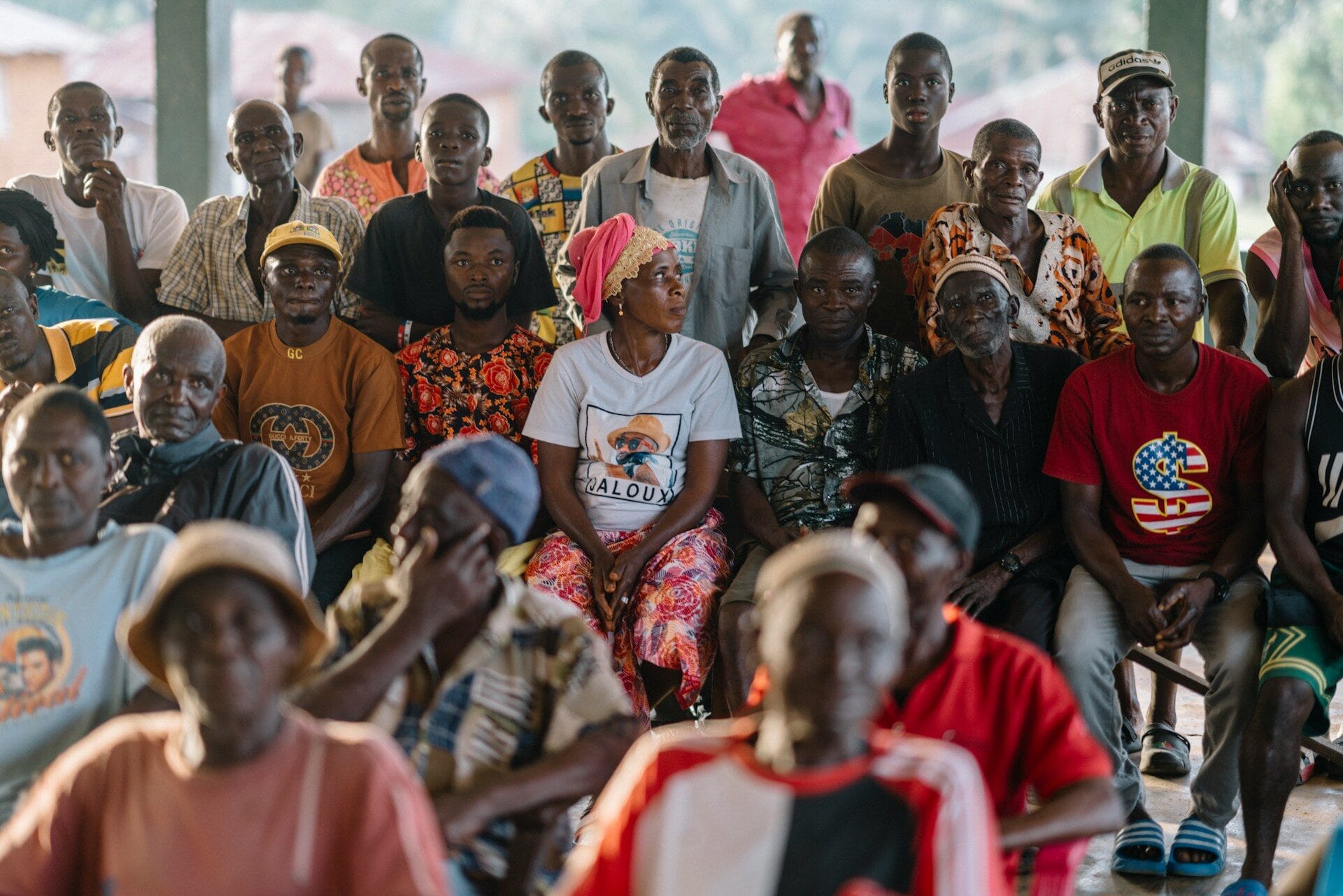
As an NGO, how do you use your website to attract donors and secure more grand funding. For non-governmental organisations (NGOs), a website should be more than an online description of their activities. It should be a strategic tool for building credibility, demonstrating impact, attracting donors, and creating opportunities for institutional partnerships and grant funding.
Foundations, corporate organisations, development partners, and individual donors increasingly rely on online information when assessing organisations they may support. A poorly structured website can make even a credible NGO appear unprepared, while a professional, informative website can strengthen confidence in its work.
So I put together this article on seven ways NGOs can use their websites to attract funding opportunities.
Professional Web Design for SMEs
We help businesses and brands scale their customer acquisition and thrive online. Let Ghana’s leading web design agancy develop a premium website for your business today. Click the quote button below to get started;
1. Communicate a Clear Mission and Purpose
Visitors should understand what an organisation does, who it serves, and why its work matters within seconds of landing on its homepage.
Rather than filling the homepage with organisational history and lists of activities, NGOs should lead with a compelling mission statement that communicates the problem they are addressing and the change they want to achieve.
The homepage should also explain how the organisation works and highlight its major programmes. Clear messaging helps potential donors quickly determine whether the organisation’s mission aligns with their interests and funding priorities.
2. Demonstrate Impact With Evidence
Donors want to know that their contributions will make a difference. Simply listing projects and activities is not enough. NGOs need to demonstrate measurable outcomes.
A professional website should have a dedicated Impact section featuring project achievements, beneficiary statistics, success stories, photographs, and progress reports.
For example, an organisation working in education could highlight the number of children supported, communities reached, scholarships provided, and improvements recorded through its programmes.
Where possible, these achievements should be supported by reports, credible data, and documented project outcomes. This gives potential funders a clearer understanding of the organisation’s effectiveness.
3. Make Financial Information and Governance Accessible
Institutional funders often conduct due diligence before committing resources to an NGO. They want evidence that the organisation is properly governed, financially responsible, and capable of managing funding.
I recommend a dedicated Governance or Transparency section to provide access to relevant information, including:
- Organisational registration documents.
- Board members and leadership profiles.
- Annual reports.
- Audited financial statements.
- Institutional policies.
- Safeguarding and accountability frameworks.
In our experrince at EnspireFX, making these documents easy to find demonstrates openness and helps reduce the effort required by potential partners during their initial assessment.
4. Create a Dedicated Page for Grantmakers and Partners
One of the most overlooked opportunities on NGO websites is the absence of a dedicated page for institutional funders.
A professional website should include a Partner With Us or For Funders section specifically designed for foundations, corporate social responsibility departments, development agencies, and grantmaking institutions.
This page should communicate the organisation’s capacity, geographical coverage, programme areas, funding priorities, and partnership opportunities.
It should also provide access to an organisational profile, project proposals or concept notes where appropriate, monitoring and evaluation information, and a direct contact for partnership enquiries.
The objective is to make it easy for a potential funder to understand what the organisation offers and how to initiate a conversation.
5. Tell Authentic Stories That Connect With Donors
Statistics establish credibility, but stories help people understand the human impact behind the numbers.
NGOs should use their websites to share authentic stories about the communities they serve, the challenges they address, and the changes their programmes have achieved.
These stories can include beneficiary experiences, project photographs, short videos, and interviews with community members.
However, storytelling should be ethical. Organisations must obtain appropriate consent, protect vulnerable individuals, and present beneficiaries with dignity.
Most importantly, stories should connect the organisation’s interventions to measurable outcomes rather than relying solely on emotional appeals.
6. Make Donating and Supporting the Organisation Easy
A website can attract potential donors but still lose contributions if the donation process is complicated.
NGOs should provide visible calls to action such as Donate Now, Become a Partner, Support a Project, and Get Involved.
The donation page should offer a straightforward process, explain how contributions support specific activities, and provide secure, convenient payment options suitable for the organisation’s target audience.
For NGOs operating in Ghana, for example, supporting appropriate local payment methods, including mobile money, can make online giving more accessible to local supporters.
Organisations should also provide clear contact information for people interested in making larger contributions or discussing institutional funding.
7. Use SEO to Attract Funding Opportunities
Search engine optimisation (SEO) helps NGOs become more visible to people searching for organisations, causes, projects, and development initiatives within their areas of operation.
Rather than optimising only for the organisation’s name, NGOs should create useful website content around their programme areas and the problems they address.
For example, an NGO working in education could publish articles about access to education, child literacy, educational inequalities, and community-based learning initiatives.
Each programme should have a dedicated landing page explaining its objectives, activities, target beneficiaries, and achievements.
Regularly publishing project updates, research findings, impact reports, and educational resources can also strengthen search visibility and establish the organisation as a credible voice in its field.
An NGO’s website can play a significant role in its fundraising and partnership strategy. However, attracting donors and securing grant funding requires more than an attractive homepage or a donation button.
The website must communicate a clear purpose, demonstrate measurable impact, establish institutional credibility, provide transparent financial information, and make partnership opportunities easy to explore.
I believe that NGOs seeking sustainable growth, investing in professional website design is not simply an exercise in improving their online presence. It is an investment in building trust, increasing visibility, and creating stronger opportunities to attract the support needed to advance their mission.