

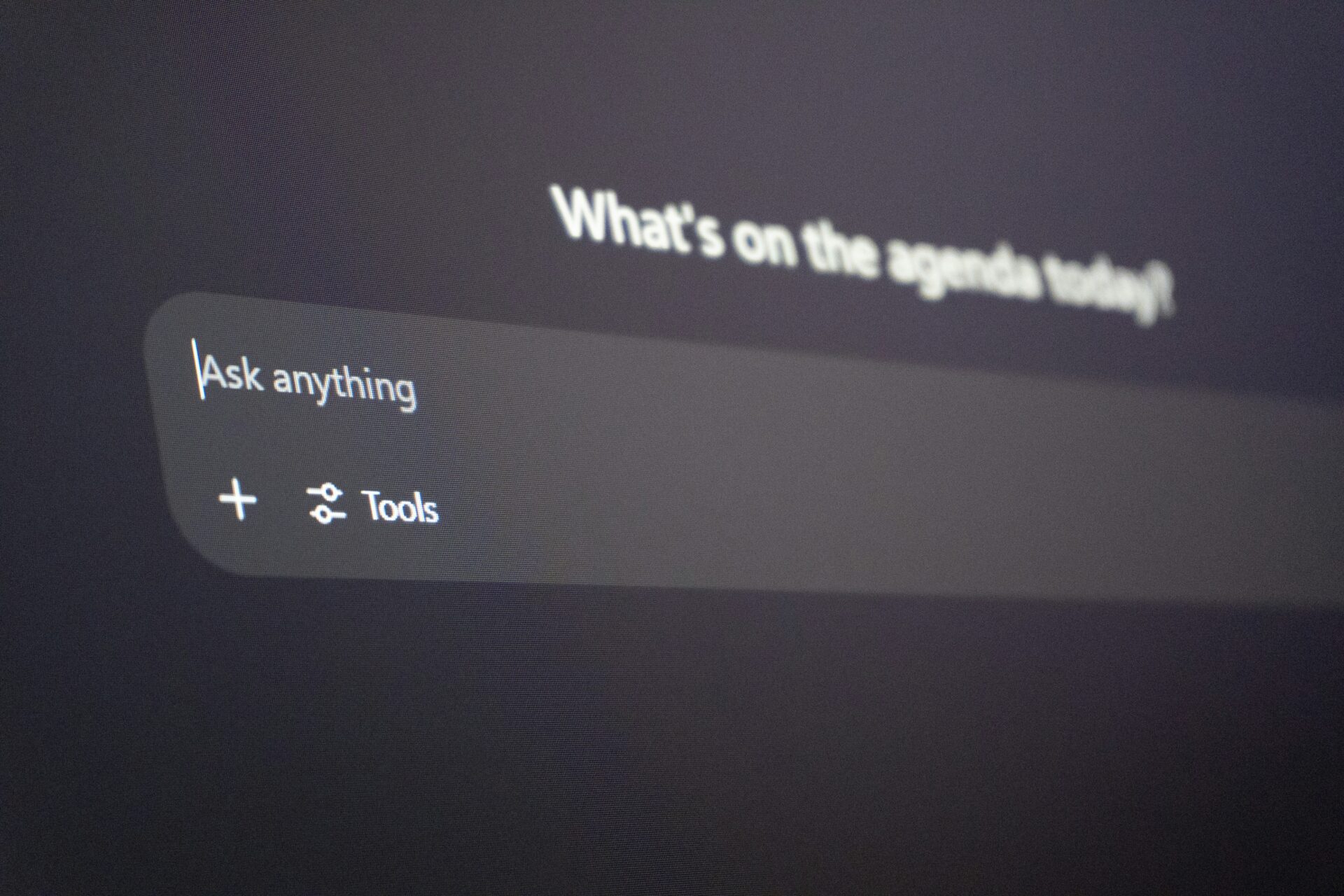
Google is reportedly testing changes to its search interface that reduce the prominence of its AI features, including removing the dedicated AI Mode tab and the “Ask Anything” follow-up box from some search results pages.
These changes come amid growing concerns about the lower advertising returns generated by AI-driven search interactions compared with traditional Google Search.
AI Search Proving Difficult to Monetise
Traditional search advertising works because users often search with a specific intention, such as finding a service, comparing products, or making a purchase. These searches create opportunities for advertisers to reach potential customers at the right moment.
AI search experiences operate differently. Users can ask complex questions, request explanations, and engage in extended conversations without necessarily visiting commercial websites or making purchases.
This creates a monetisation challenge for search platforms.
According to Alphabet’s Q3 2026 earnings data, Google’s Chief Business Officer, Philip Schindler, acknowledged that AI Mode queries generated lower advertising revenue per query than traditional search.
This interface changes may reflect the difficulty of making AI search as commercially valuable as the traditional search experience.
Questions on AI Advertising Returns
The monetisation challenge extends beyond Google.
A working paper by Christian Schultz and Maximilian Kaiser examined advertising performance across nearly 1,900 online shops, representing approximately $16 billion in annual sales over 60 weeks.
The study found that visitors arriving through paid ChatGPT advertising performed worst across all six measured performance indicators when compared with Google Ads, organic Google Search, direct traffic, and unpaid ChatGPT recommendations.
One particularly important finding concerned revenue per paid visit.
| Advertising Channel | Revenue Per Visit |
|---|---|
| Paid Google Search | $2.45 |
| Paid ChatGPT | $0.89 |
This represents a substantial difference in commercial performance.
The researchers also estimated that a ChatGPT advertising click was worth approximately $0.26 based on observed conversion performance, while one advertiser was reportedly paying $1.72 per click.
These findings suggest that advertisers may be paying significantly more for AI-generated traffic than its actual commercial value justifies.
The Economic Challenge Facing AI Platforms
AI-powered search and conversational platforms require substantial computing resources to operate. Unlike traditional search results, which can direct users to existing web pages, AI systems must generate responses using computationally intensive models.
This creates pressure to develop sustainable revenue models.
The briefing estimates that serving a free ChatGPT user costs approximately $5 annually, while current advertising revenue generates around $1 per free user annually. Long-term projections target approximately $40 in advertising revenue per free user by 2030.
Increasing advertising placements or integrating sponsored content more deeply into AI-generated responses could improve monetisation, but it also risks undermining user experience and trust.
The cited research estimates that current advertising placements reduce the visitors ChatGPT would otherwise send to merchants by approximately 6% to 8%.
This highlights the tension between generating advertising revenue and maintaining the usefulness of AI-powered search.
What This Means for Traditional SEO
For digital marketers and website owners, these developments offer an important reminder: traditional SEO is not becoming irrelevant simply because AI search is expanding.
Search engines and AI platforms still depend on accessible, structured, relevant, and authoritative web content to discover and retrieve information.
Websites that are properly optimised for crawling, indexing, search intent, and content accessibility remain important within the wider search ecosystem.
More importantly, traditional search continues to attract users with specific commercial intentions. Someone searching for a web design company, a property for sale, or a particular product is often closer to making a purchasing decision than someone asking a general question through an AI assistant.
This makes high-intent search traffic particularly valuable to businesses.
Rather than abandoning established SEO practices, marketers should continue investing in:
The growing adoption of AI in search does not automatically mean that traditional search advertising and SEO are losing their commercial value.
Google’s reported AI interface tests and emerging research into ChatGPT advertising performance highlight a fundamental challenge facing AI platforms: attracting users is one thing; generating sustainable advertising revenue from their interactions is another.
So, for businesses and digital marketers, AI search deserves attention, but abandoning proven SEO strategies in anticipation of an entirely AI-driven search future would be premature.